How to Redact a PDF on Android: Permanently Hide Sensitive Info Before You Share It
To redact a PDF on Android, open LifetimePDF's Redact PDF tool in Chrome, choose the file from Files, Gmail, Google Drive, WhatsApp, or Downloads, black out every sensitive detail, and export the cleaned copy before you share it.
If the document still reveals context through repeated names, page headers, scans, or metadata, fix those too so the final Android copy is actually safe to send.
That is the short answer. The part people usually need help with is not the tap sequence. It is avoiding the classic mobile mistake of cleaning one PDF, then forwarding the untouched Gmail attachment, Drive file, or original download five minutes later because the filenames all look the same. A safe Android workflow is simple: start with the exact file you plan to share, redact it carefully once, review the finished copy on your phone, and only then add a password or send it onward.
Fastest path: save the source PDF somewhere obvious in Files, redact the content first, review the exported copy once, then clean metadata or add a password only if the remaining file still needs those extra steps.
In a hurry? Jump to Quick start: redact a PDF on Android in 3 minutes.
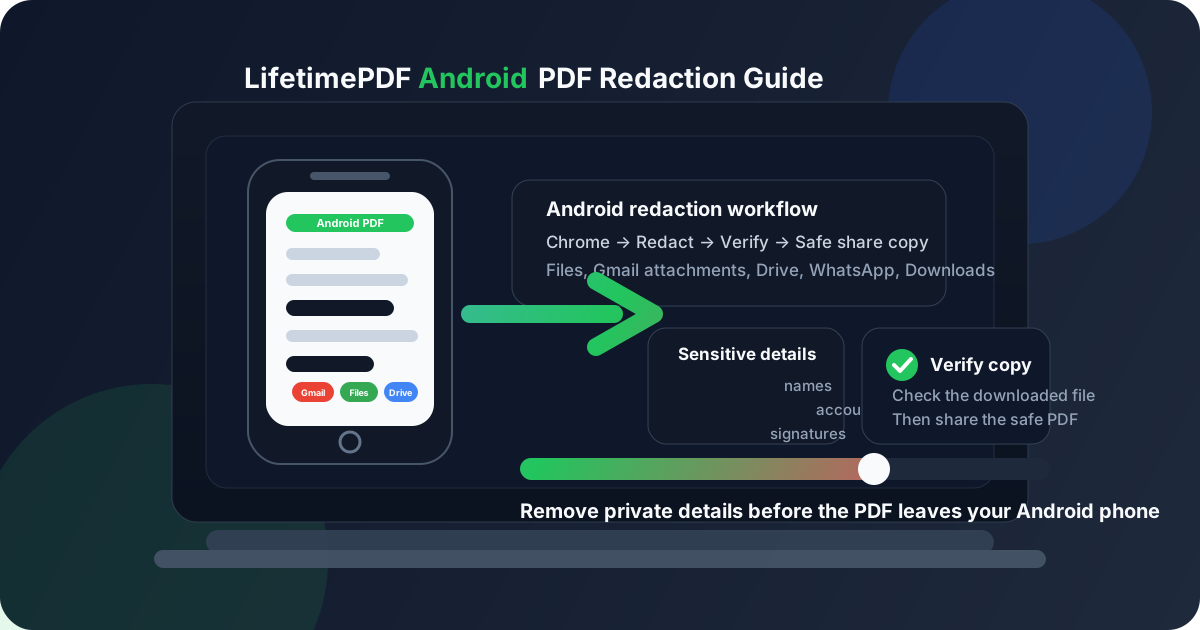
Table of contents
- Quick start: redact a PDF on Android in 3 minutes
- The safest Android workflow for redacted PDFs
- Step-by-step: redact a PDF from Files, Gmail, Drive, WhatsApp, or Downloads
- What to redact before you share a file from Android
- Common Android PDF sources and the best move for each
- Metadata, passwords, and safer mobile sharing
- Common Android redaction problems and quick fixes
- Related LifetimePDF tools and guides
- FAQ
Quick start: redact a PDF on Android in 3 minutes
If you already have the document on your phone and just need a safe share copy, this is the workflow most people want:
- Open Redact PDF in Chrome on your Android phone.
- Choose the file from Files, Downloads, Google Drive, a saved Gmail attachment, or another place you can browse clearly.
- Black out every sensitive detail, including repeated names, IDs, signatures, headers, or side notes.
- Download the redacted copy with a filename you will recognize instantly.
- Reopen the finished PDF and check the actual redacted version before you attach, upload, or message it to anyone.
If the file is still too revealing after that, the problem is usually not the redaction tool itself. It is usually extra pages, messy scan borders, or document metadata that still gives away context.
The safest Android workflow for redacted PDFs
Android makes it easy to move PDFs between Gmail, Drive, Files, chat apps, and downloads. That convenience is useful right up until you forget which copy you cleaned.
The safest approach is to treat redaction like a short chain with one job per link:
- Locate the real source file so you do not clean a duplicate that you never send.
- Redact the sensitive content completely, not just the obvious sentence in the middle of page one.
- Review the exported copy on your phone before anything leaves Android.
- Clean metadata or add a password afterward if context or access control still matters.
That order keeps each decision clean. Redaction removes what should not travel. Metadata cleanup removes clues about the document. Password protection controls access to what remains. Mixing those steps together is how people rush, guess, and leak more than they meant to.
Step-by-step: redact a PDF from Files, Gmail, Drive, WhatsApp, or Downloads
1) Start with the file you really plan to send
This sounds obvious, but it is where a lot of mobile redaction mistakes begin. If the document came from Gmail, save the attachment first or choose it deliberately through the Android file picker. If it came from Drive, make sure you are working on the exact version that will be shared. If it came from a scan app or a chat app, confirm whether you are opening the original export or a compressed preview copy.
2) Open Redact PDF in Chrome on Android
Open Redact PDF in Chrome on your phone and upload the file. A browser workflow is usually faster than bouncing between half-familiar mobile editors, and it keeps the job focused on one task: making a safe share copy.
3) Redact every place the private detail appears
Do not stop at the first obvious line. Sensitive information often repeats in:
- headers and footers
- tables and transaction rows
- signature blocks
- page thumbnails in appended packets
- handwritten notes on scanned pages
- captions, sidebars, and stamped references
If you are hiding a name, account number, case number, or address, sweep the whole PDF for every appearance instead of assuming one block-out solved it.
4) Export the redacted copy
Download the cleaned file and give it a clear name such as statement-redacted.pdf, lease-safe-share.pdf, or claim-clean-copy.pdf. That tiny naming step does real work on Android because it separates the outgoing copy from the original attachment, Drive version, or scan export.
5) Reopen the final PDF and verify it
Review the exported copy from Files or wherever Android saved it. Zoom in on the redacted areas. Scroll through each page. If appropriate, search for the terms you removed. The goal is not perfection theater. It is making sure the file you are about to send is the cleaned one and that the hidden information is genuinely gone from the visible page content.
6) Clean metadata or protect the final copy if needed
If the document title, subject, author field, or other properties still reveal too much, run it through PDF Metadata Editor. If the remaining content is still confidential, use PDF Protect on the already redacted file. That way you are not protecting the wrong version or locking down a file that still contains information you never intended to send.
What to redact before you share a file from Android
The obvious answer is "whatever is private," but in real documents that usually means more than one or two visible lines. Common examples include:
- full names when identity is not necessary
- phone numbers, emails, and home addresses
- account numbers, policy numbers, invoice IDs, or claim references
- dates of birth, signatures, and ID card details
- transaction descriptions that expose personal or internal context
- case numbers, matter names, or client references repeated across pages
- attachments, appendices, or cover pages the recipient does not need at all
On Android, people also forget about screenshots embedded inside PDFs, photographed documents, or scan app pages with handwritten notes in the margins. If it can be seen, assume it can matter.
Common Android PDF sources and the best move for each
Gmail attachments
Save the attachment or choose it carefully from Android's picker rather than trusting the preview card in Gmail. Then redact the saved copy and rename the finished file clearly before replying or forwarding.
Google Drive PDFs
Drive is convenient, but it also makes version confusion easy. Work from the exact file you intend to share and make sure the redacted copy does not get mixed up with the original cloud version.
WhatsApp, Telegram, and other chat downloads
Files from messaging apps often land in crowded folders with generic names. Before redacting, confirm that you are opening the document itself and not a duplicate export or a compressed placeholder from the chat app.
Scan app exports
Phone scans often include thick black borders, empty edges, tilted pages, or extra photos you never meant to keep. Use Crop PDF or Rotate PDF if the scan is messy, then verify the cleaned document before sharing it.
Downloads folder PDFs
Portal statements, insurance packets, application forms, and compliance documents often repeat the most sensitive information in headers, tables, and appendix pages. Slow down for one extra pass here. These are the files most likely to punish a rushed mobile workflow.
Metadata, passwords, and safer mobile sharing
Redacting page content is only part of the privacy job. PDFs may still reveal information through filenames, document titles, author fields, subjects, or keywords.
Clean file properties when context matters
Use PDF Metadata Editor if the document properties still mention a customer name, patient name, matter number, internal project, or another identifier that should not travel with the file.
Protect the already redacted copy if access still matters
Open PDF Protect only after the redaction work is done. That keeps the sequence sane: remove what should never leave the file, then control who can open what remains.
Common Android redaction problems and quick fixes
I redacted the page, but the PDF still feels too revealing
That usually means the file should have been shortened, cropped, or cleaned at the metadata level too. Remove extra pages, trim scan borders, and check the document properties before you share it.
I keep opening the wrong version on my phone
Rename the cleaned file immediately and save it somewhere easy to spot in Files. On Android, confusion between the original download and the redacted copy is one of the most common avoidable mistakes.
The document is a scan and hard to inspect
Straighten or rotate the pages first if needed, then redact carefully. If the final share copy still needs searchable text, run OCR PDF afterward so you are not optimizing the wrong version too early.
I am worried I missed repeated details
Search for the name, number fragment, or label you removed, then inspect headers, footers, tables, attachments, and appendix pages. Repetition is where the quiet leaks usually happen.
The cleaned PDF still contains pages the recipient does not need
Use Delete Pages or Extract Pages so the outgoing copy includes only what the other person actually needs to see.
Related LifetimePDF tools and guides
Redacting a PDF on Android often turns into one or two extra cleanup steps. These are the most useful companion tools:
- Delete Pages — remove pages nobody needs to receive.
- Extract Pages — keep only the exact pages you want to share.
- Crop PDF — trim messy scan borders that still reveal context.
- PDF Metadata Editor — clean title, author, subject, and related file properties.
- PDF Protect — add a password to the already redacted copy.
- OCR PDF — make a cleaned scan searchable when appropriate.
Related reading on LifetimePDF: Redact PDF, How to Redact Sensitive Information in PDF Permanently, Remove PII From PDF Metadata, Remove Black Borders from Scanned PDF, and OCR Scanned PDF.
Ready to make a safe Android share copy?
Best Android privacy order: save locally → redact → verify the exported copy → clean metadata → protect if needed.
FAQ: How to redact a PDF on Android
How do I redact a PDF on Android without Adobe Acrobat?
Open a browser-based PDF redaction tool in Chrome on your Android phone, choose the file from Files, Gmail, Drive, WhatsApp, or Downloads, redact the sensitive details, export the cleaned copy, and review it before sharing.
Can I redact a PDF from Gmail or Google Drive on Android?
Yes. Save or choose the PDF through Android's file picker, redact the version you actually plan to send, and rename the exported copy clearly so it does not get mixed up with the original attachment or cloud file.
Should I password-protect a PDF before or after redacting it on Android?
Usually after. Redaction removes the information that should never appear in the outgoing file, while password protection controls access to the already cleaned copy that remains.
How can I tell if the hidden text is really gone from my Android PDF?
Reopen the exported copy, zoom in on the redacted areas, search for the hidden terms when possible, and make sure you are checking the downloaded redacted file rather than the original Gmail, Drive, or Downloads version.
Can I redact scanned PDFs on Android?
Yes. If the scan is crooked, full of dark borders, or padded with extra pages, fix those problems too, then verify the finished copy and use OCR afterward only if the final share version still needs searchable text.
Published by LifetimePDF — Pay once. Use forever.